Unknown's avatar

A Love Letter From India To Japan đźĄ˘

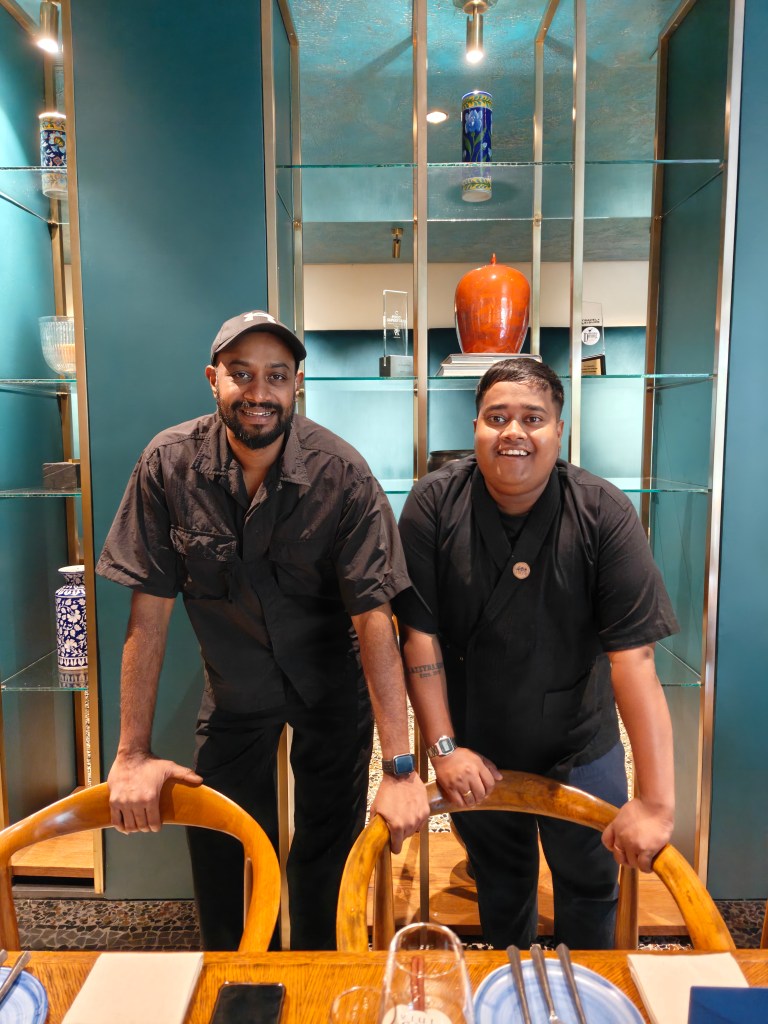
My question to Chef Adwait was, “What really runs in your mind when you create this kind of food?”
He looked at me blankly, and that’s when I realised, creation is something that comes naturally to some people, like him.
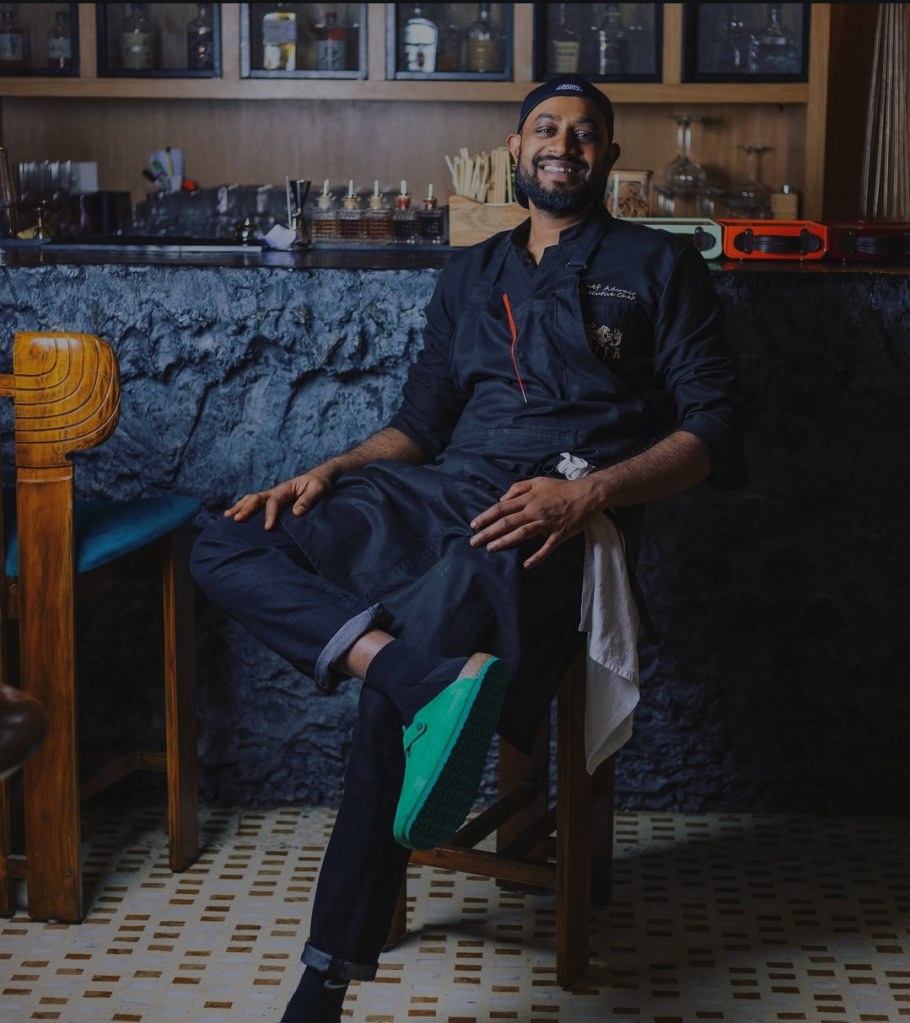
Chef Adwait has taken elements from both Indian and Japanese ingredients and techniques to create these unique dishes for our palate.

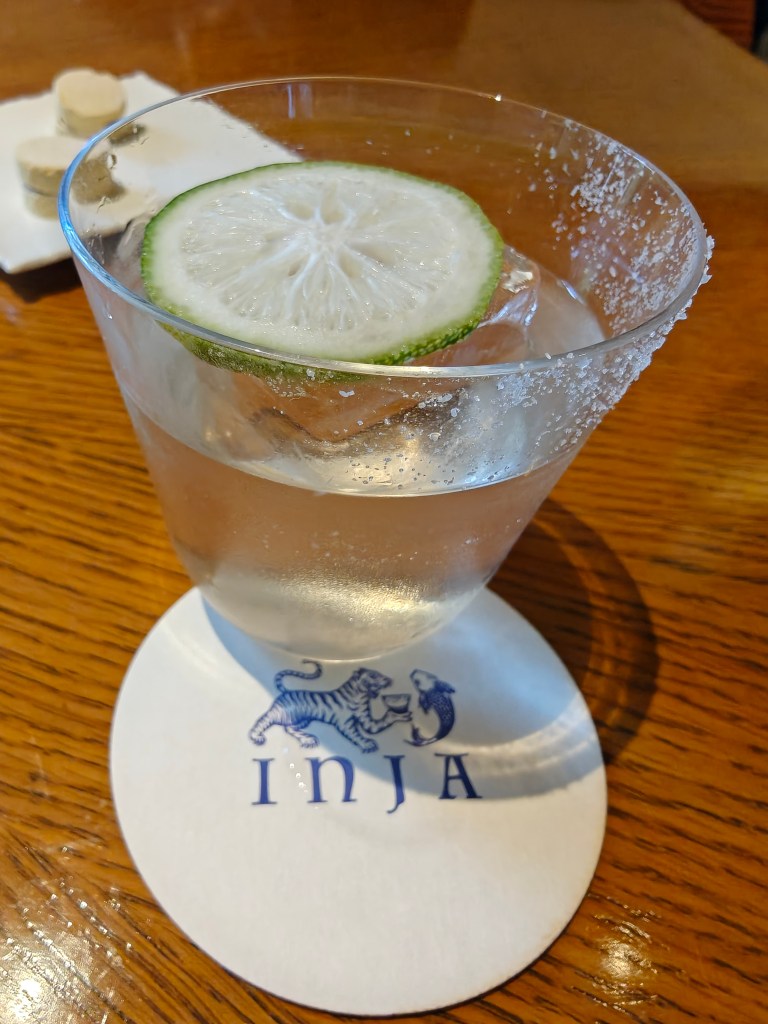
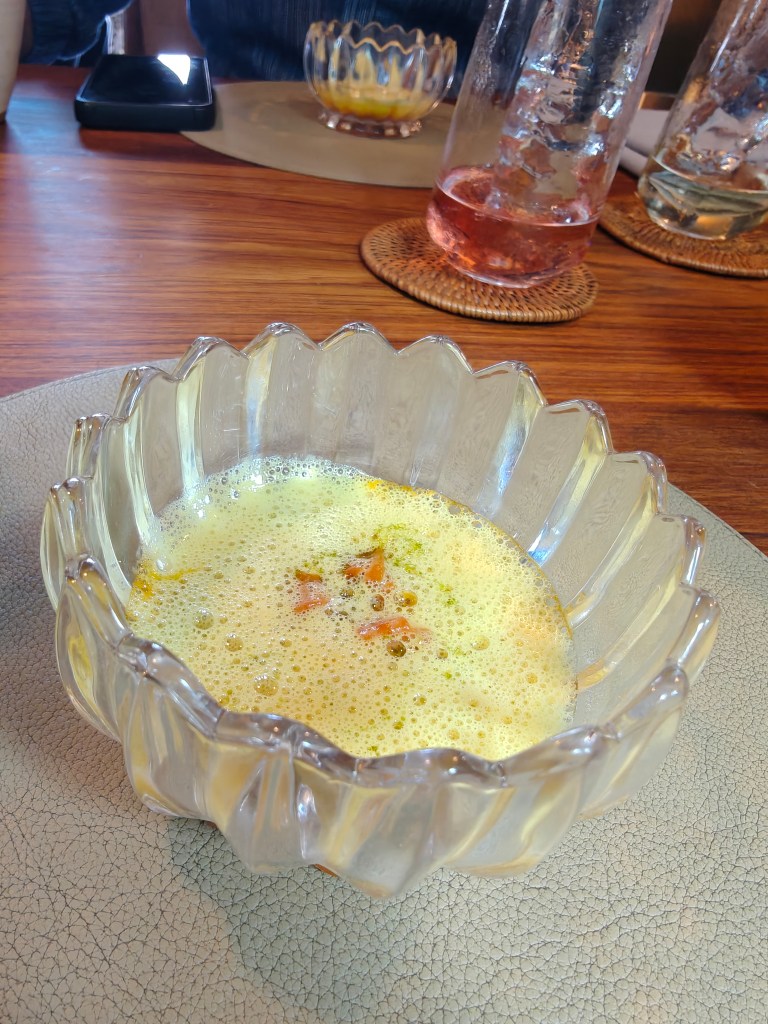
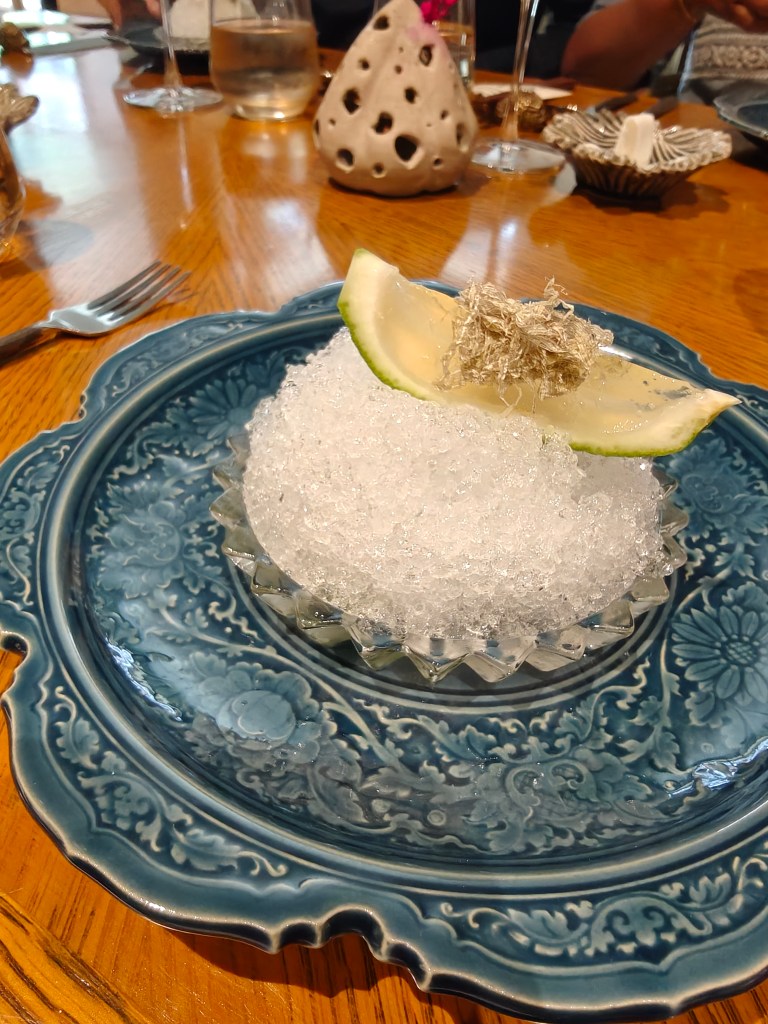
We began with Nimbu Kombu Paani, which I would call a welcome drink that was eaten rather than sipped. Made with Kagzi Nimbu from southern India and kombu (a type of seaweed with a subtle umami flavours), it set the tone beautifully.
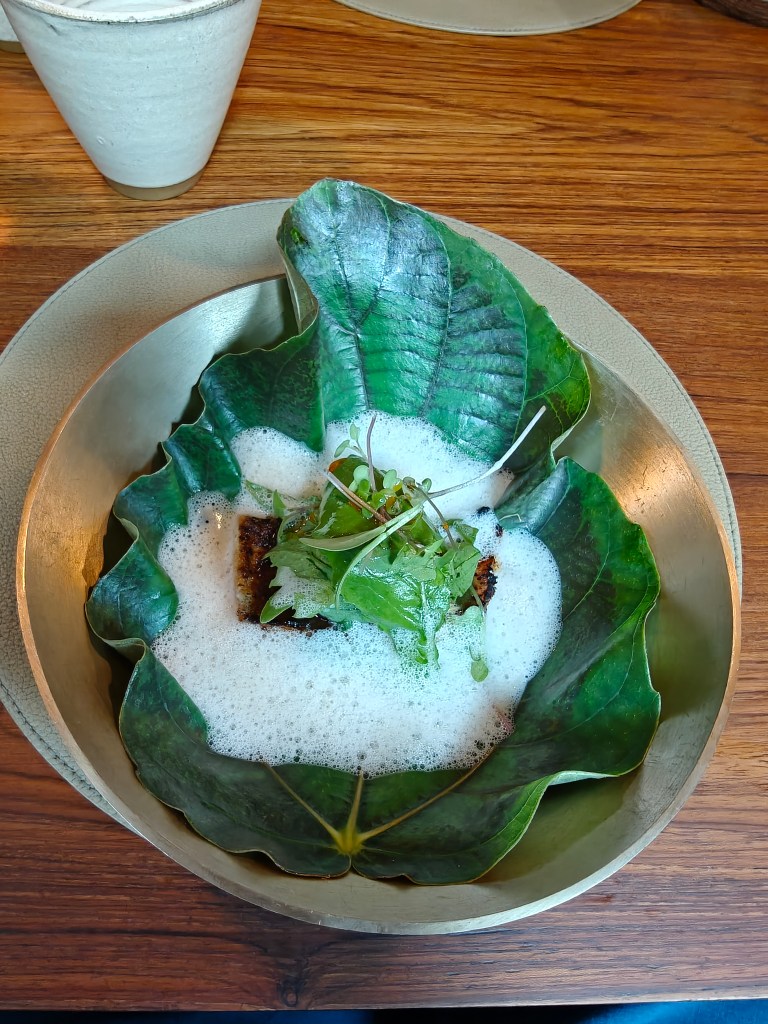
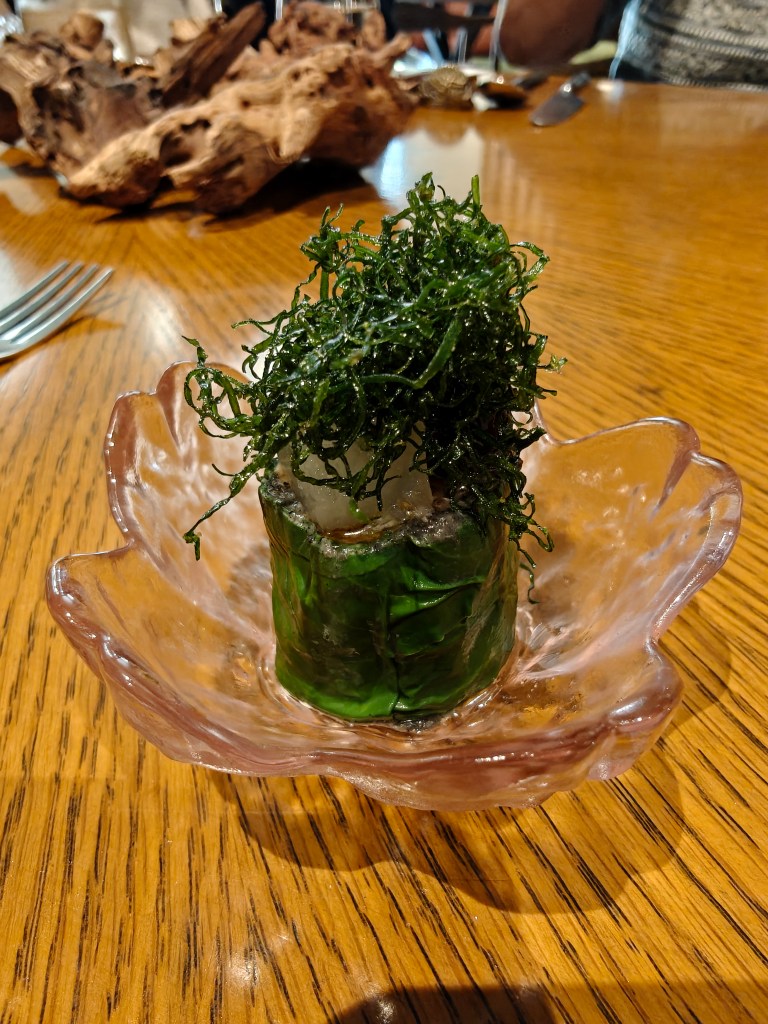
Khasi Chicken Horenso, black sesame Khasi chicken with Japanese spinach (Horenso)  was topped with chicken feet fat. The nutty flavour of Black sesame blended perfectly with the chicken and spinach.
Ganne ka Ras, Sencha Somen. I could never have imagined having noodles (somen) with ganne ka ras (sugarcane juice). The scallop perfectly complemented the entire composition and it was a smooth summer slurp.

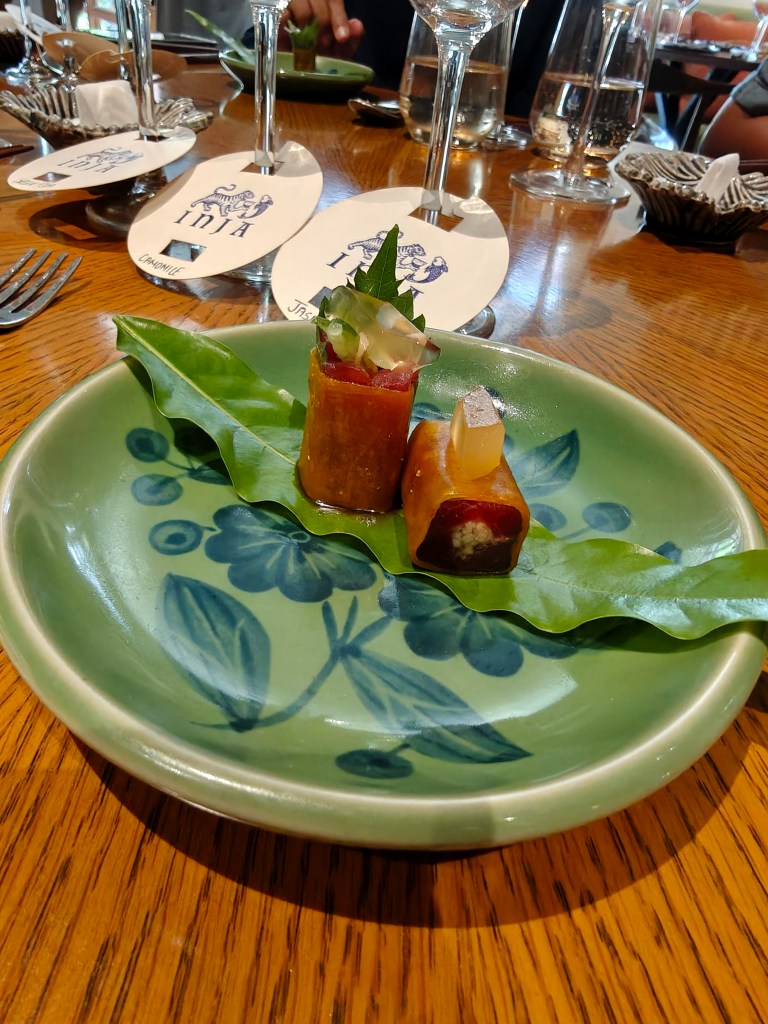
Aam Papad Tuna, never in my wildest dreams would I have thought of sushi wrapped in aam papad! Only Chef Adwait could pull that off so brilliantly. I loved how the roll melted in the mouth,  the tuna and mango slow-danced together in perfect harmony.
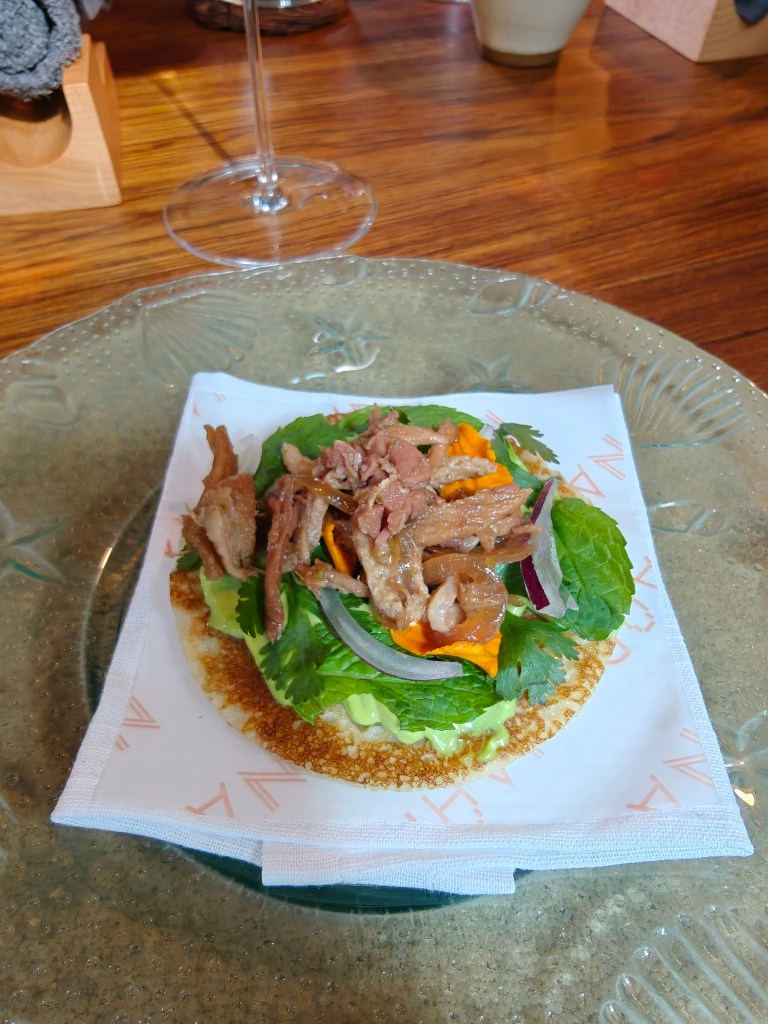
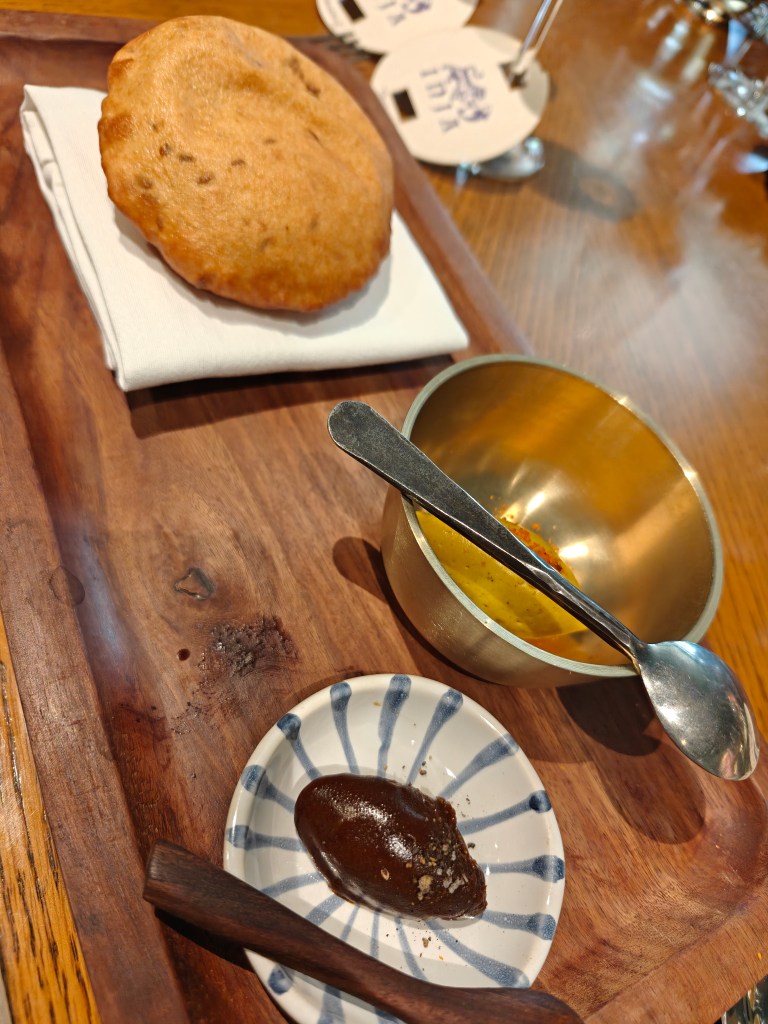
Now to a dish that’s very close to my heart and DNA,  Mangalore Buns, Filter Coffee Butter, and Banana Bonito. I need to share this experience with my family back home in Mangalore. Adding filter coffee butter to this dish was like a Mangalorean living in Chennai, a mix of nostalgia and comfort. This was my absolute favourite dish of the entire meal and I know it’s not easy to achieve that perfect Mangalore bun texture.
Corn Raab Soba with Naga Smoked Pork, corn raab, also known as makai ka raab from Rajasthan, was served with Naga smoked pork on a bed of soba noodles, finished with a drizzle of nolen gur from West Bengal. So many flavours came together to create this heartwarming dish.
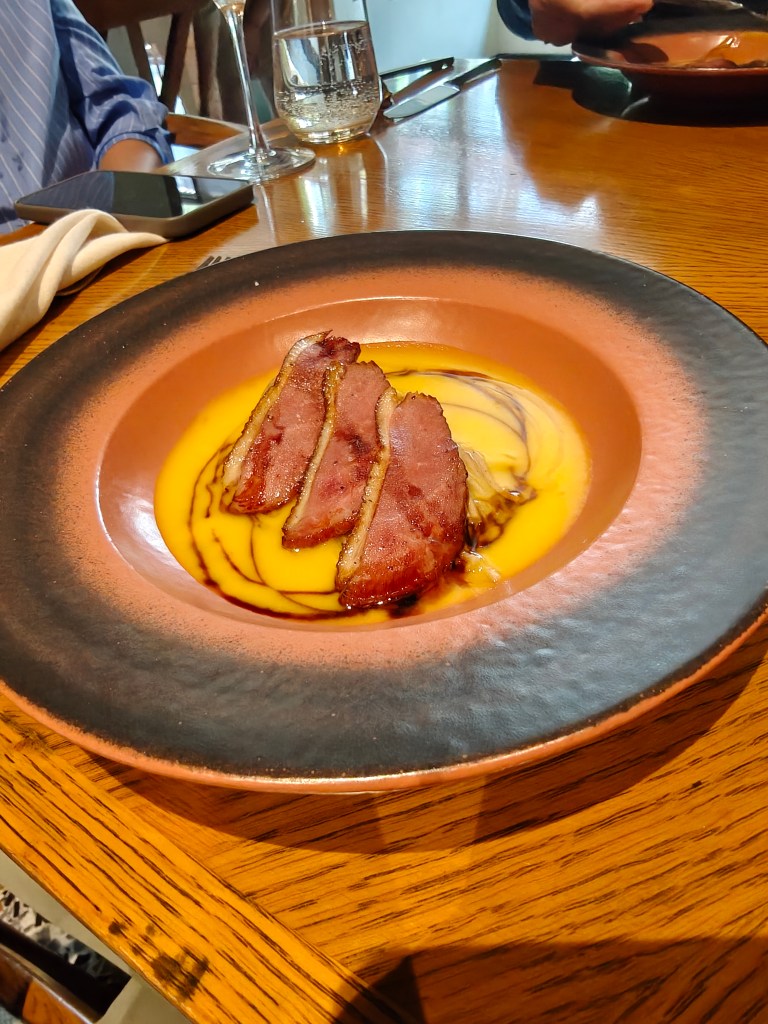
Aslam-san, Chef Adwait’s take on Aslam Butter Chicken, gives a Japanese twist to a Delhi favourite, paying homage to the city that loves this dish.
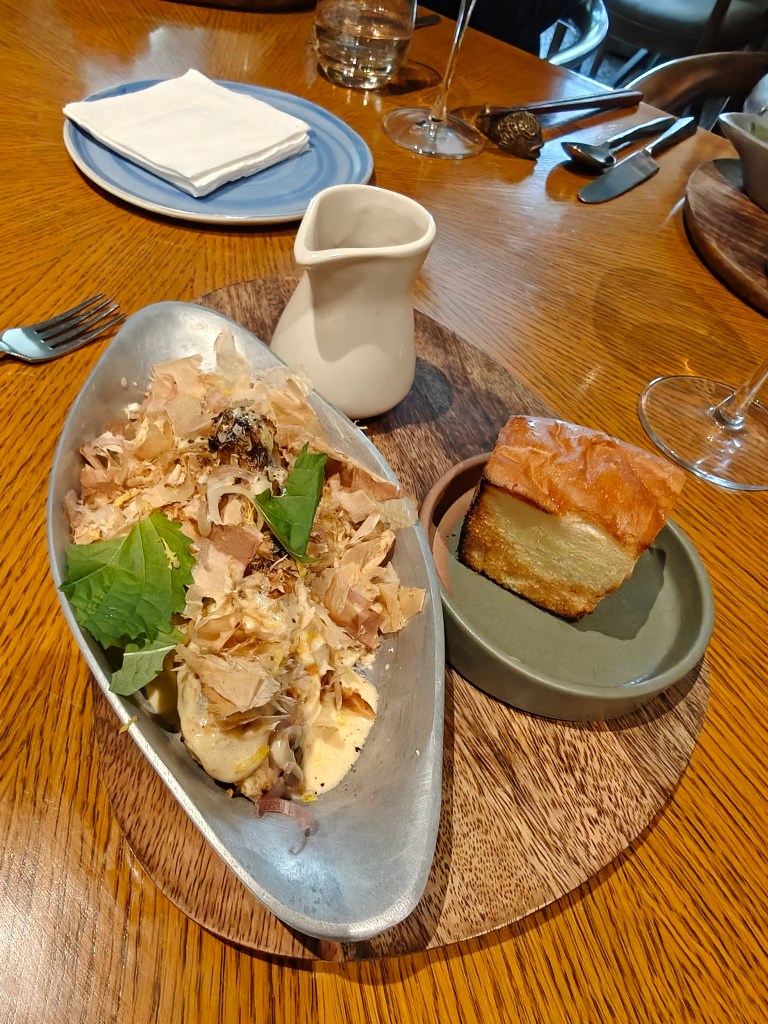
And then came the Sel Roti x Mochi Donut â€” a small, unassuming dessert that ended up being our favourite. We thought we were done with sweets, but before we knew it, we couldn’t stop eating. Every bite screamed, “I want more,” and we polished it off in no time!
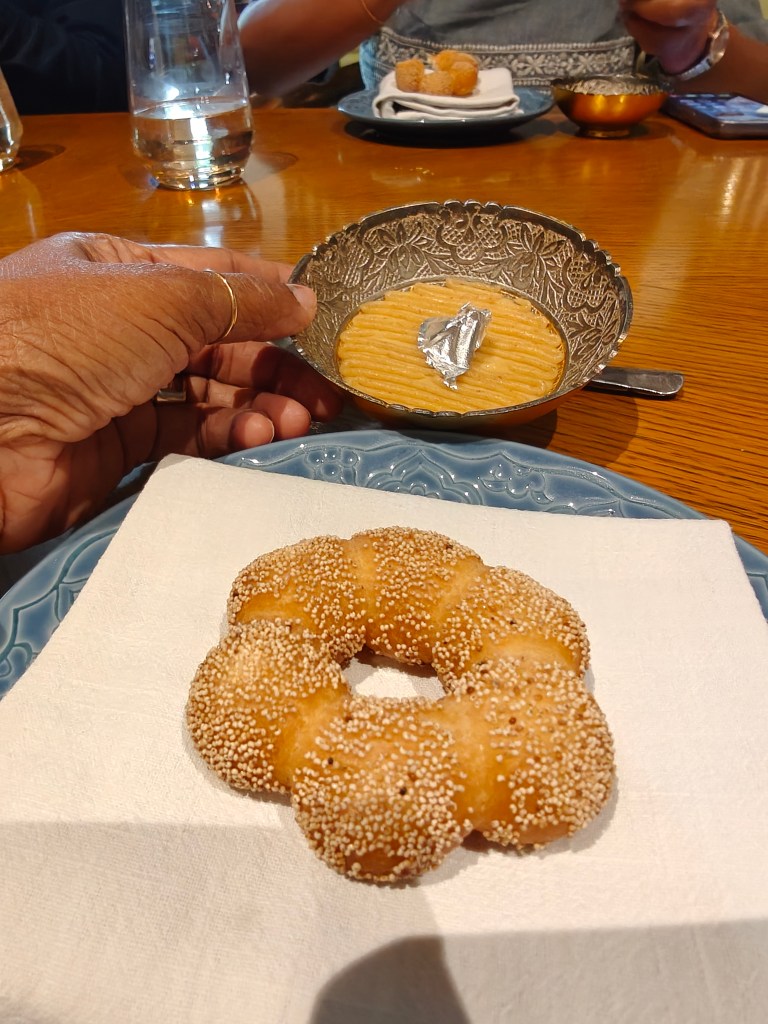
This is what happens when you dine with an open mind and heart.

We sipped on some incredible in-house kombucha between courses,  since we skipped cocktails and I’m glad we did. The jasmine, green tea and chamomile flavours were refreshing; my personal favourite was the chamomile, while the others leaned towards jasmine.
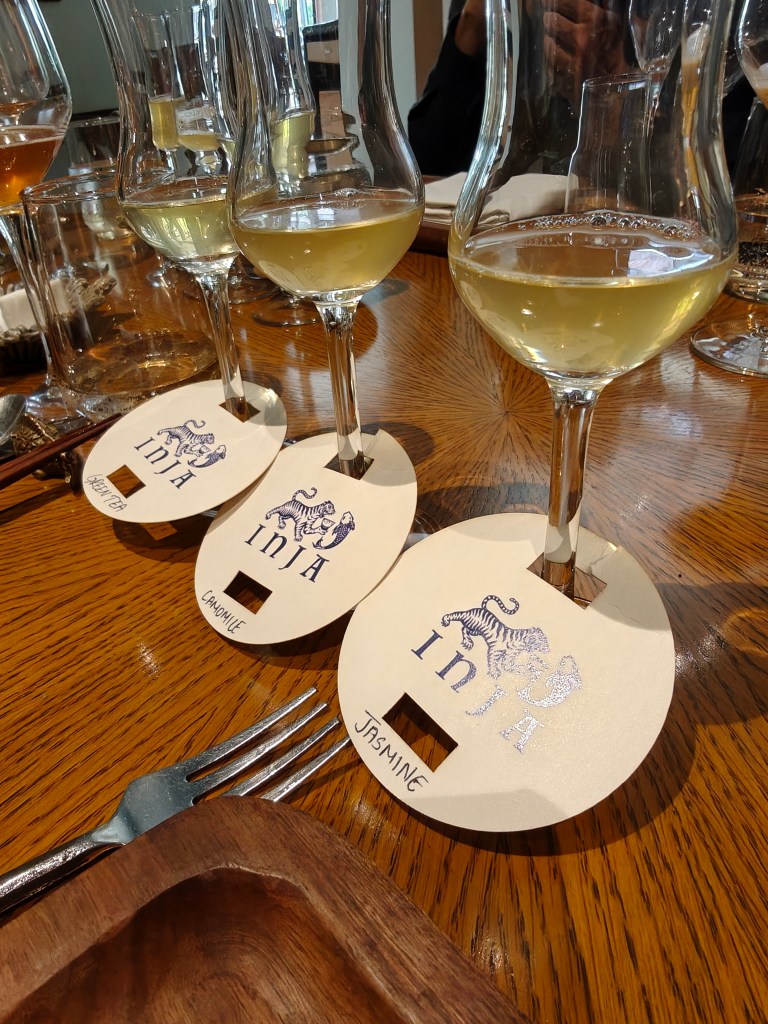
INJA is a place to experience unimaginable Indian and Japanese flavours, a space where Chef Adwait’s creativity goes beyond imagination.

Special mention to the warmest hospitality by Panchali.

Unknown's avatar

The number one Gaggan Anand!!!

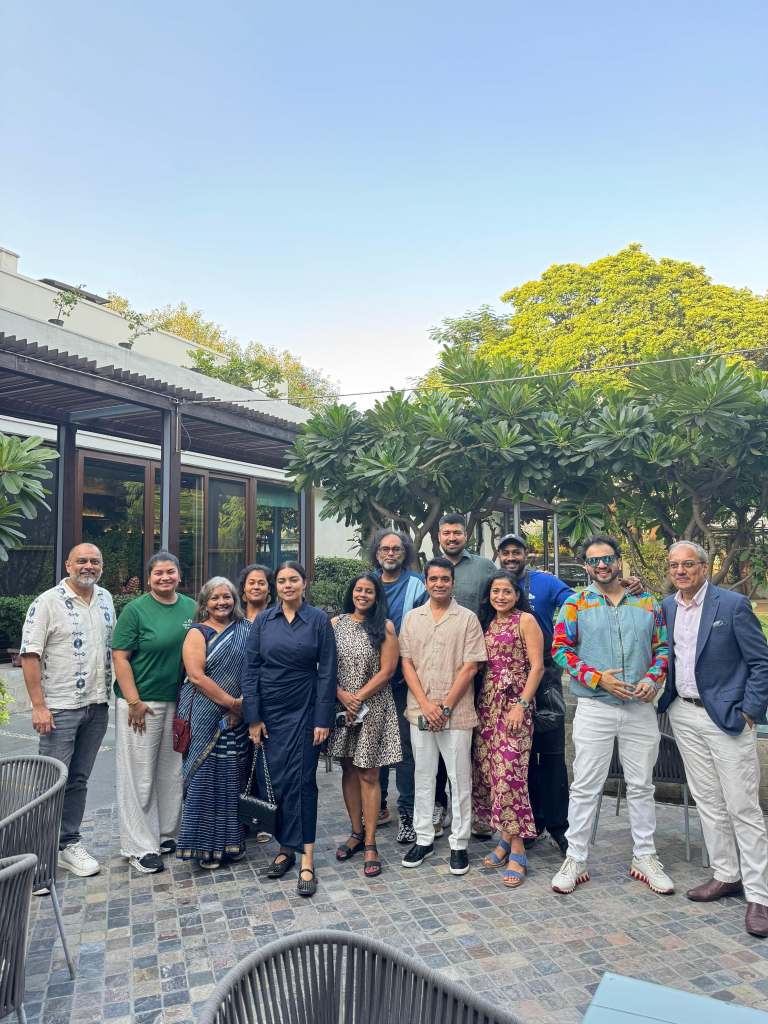
Gaggan, Asia’s No. 1 restaurant, and INJA, the Indian-Japanese fusion restaurant in Delhi, created culinary magic for the lucky 60 who managed to get a seat for this very unique pop-up. The unapologetic Gaggan and the coy Adwait showcased their food beautifully.
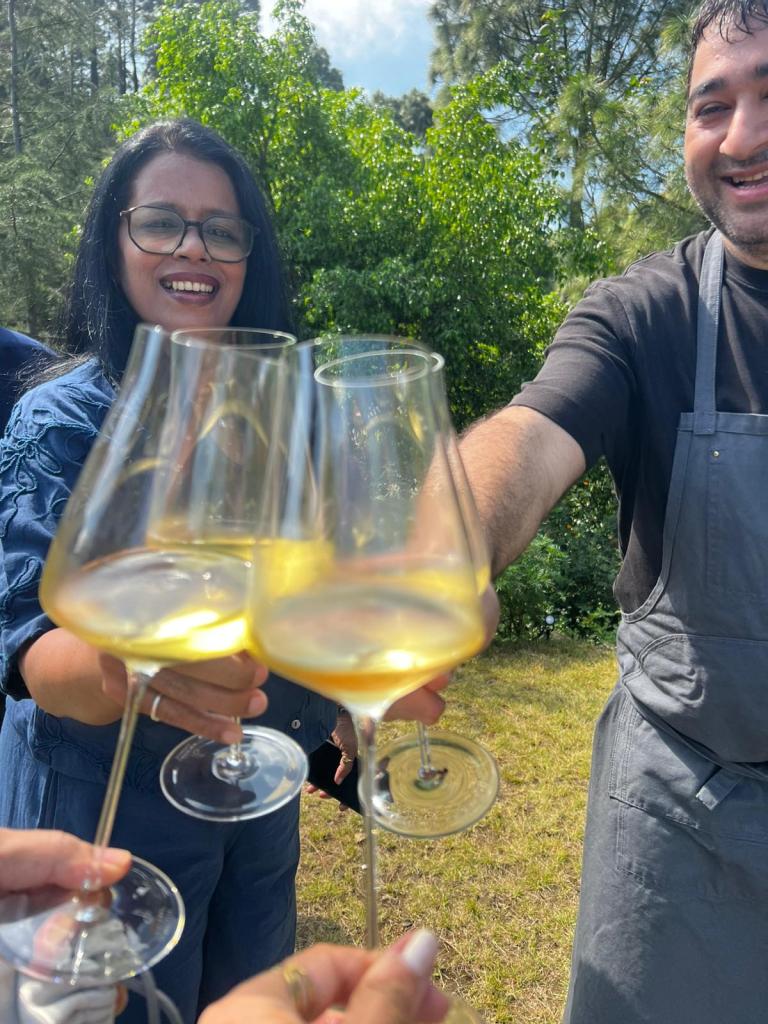
A big shout-out to Panchali, who was the warmest host, this pop-up would have been incomplete without her hospitality.

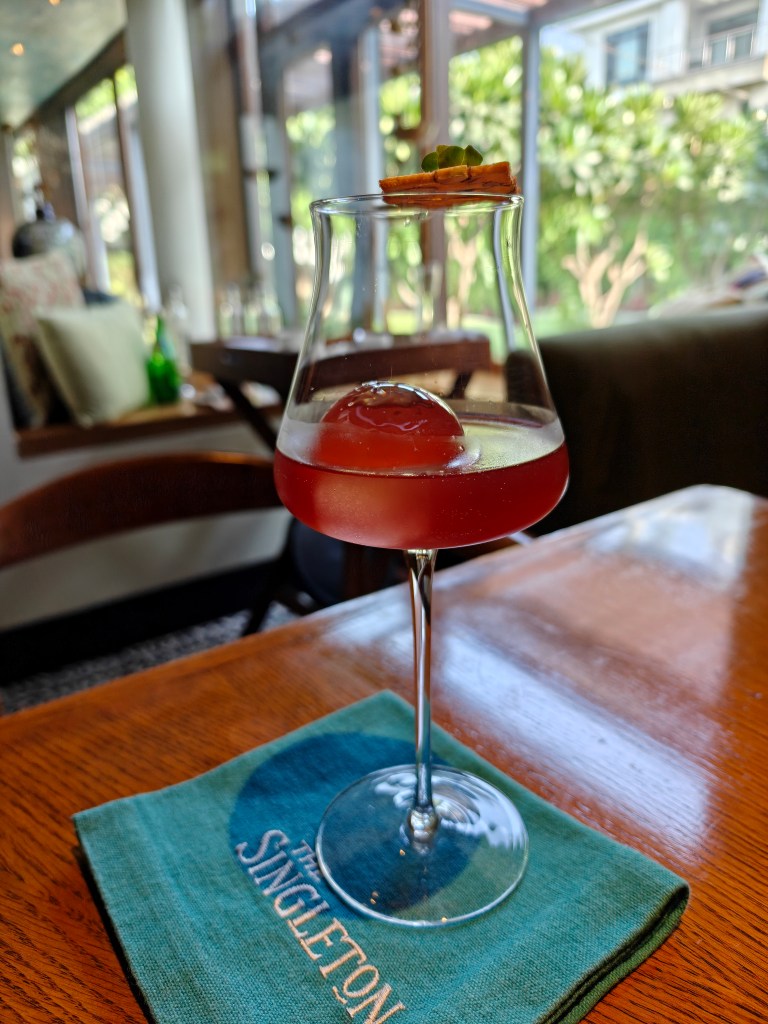
Cocktails by INJA were a conversation starter, and then it was the food that did all the talking, each dish created while keeping the Indian flavours intact.

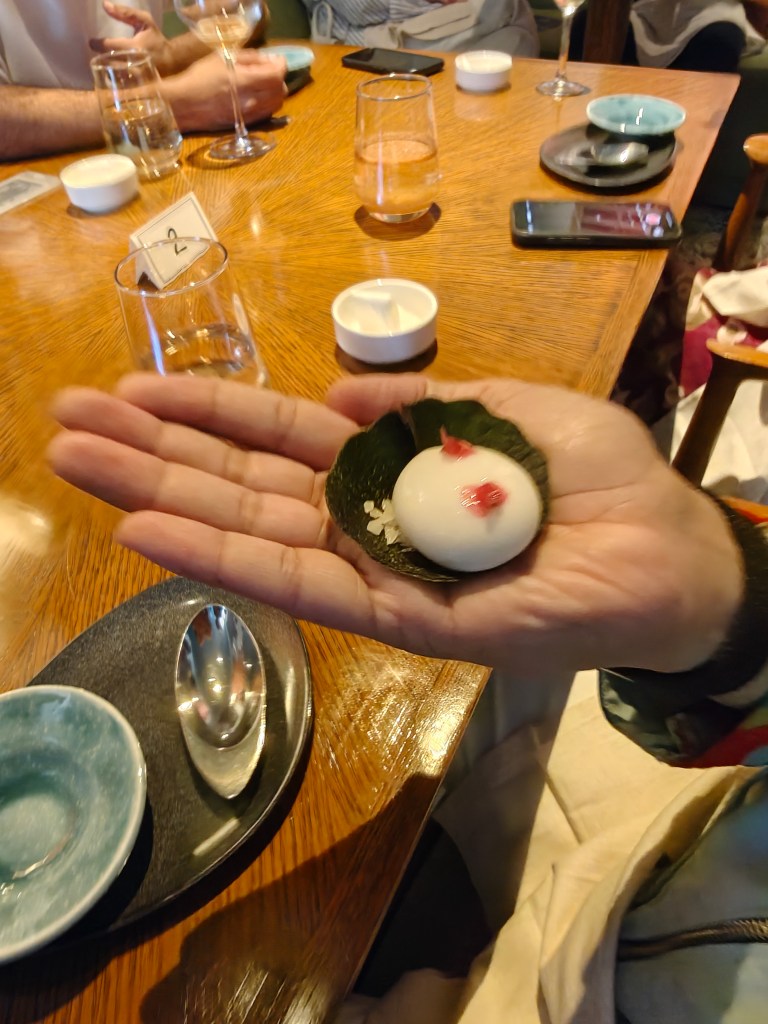
The yogurt explosion had a burst of flavours as it went from our palm to our mouth. I really enjoyed the fact that I could use my hands to enjoy my food I am a big believer that your hands add flavour to the food.

Yoghurt Explosion đź’Ą

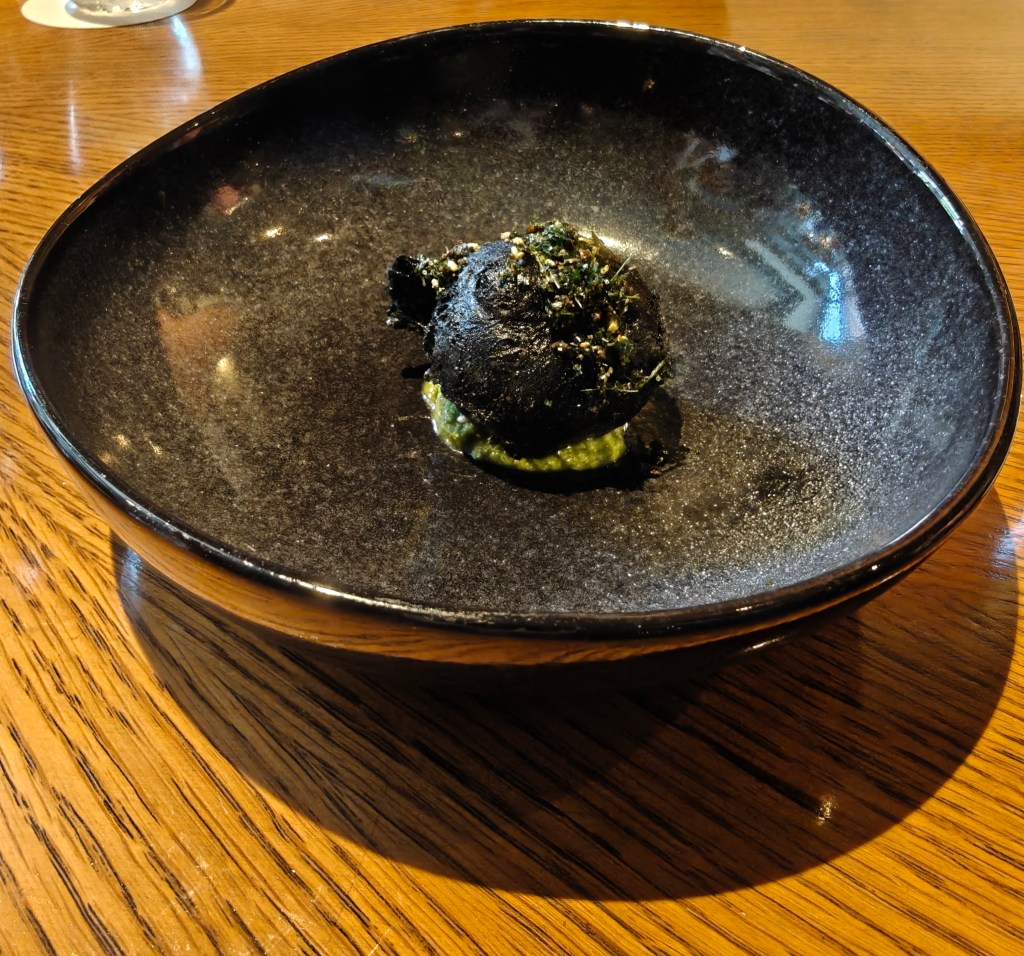
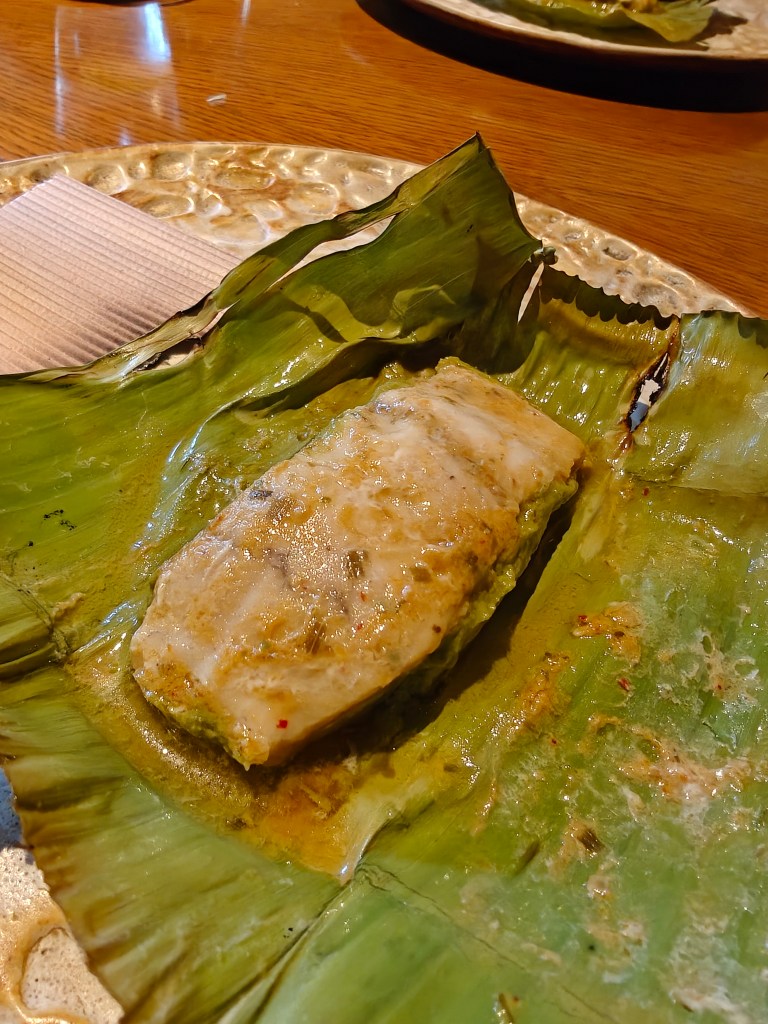
Frankly, I was very apprehensive about the Charcoal 65 since I live in the city that invented the Chicken 65, but OMG, this one was even better than the original in terms of flavours! The Paturi was another favourite of mine, with minimal spices, the fresh fish and cooking techniques elevated the flavours beautifully. The claypot rice was, for me, the perfect finish to the main course, I loved the subtle flavours and the socarrat, and if I were at home, I would have scraped it out till the claypot cried!

charcol 65
Paturi
Claypot Rice

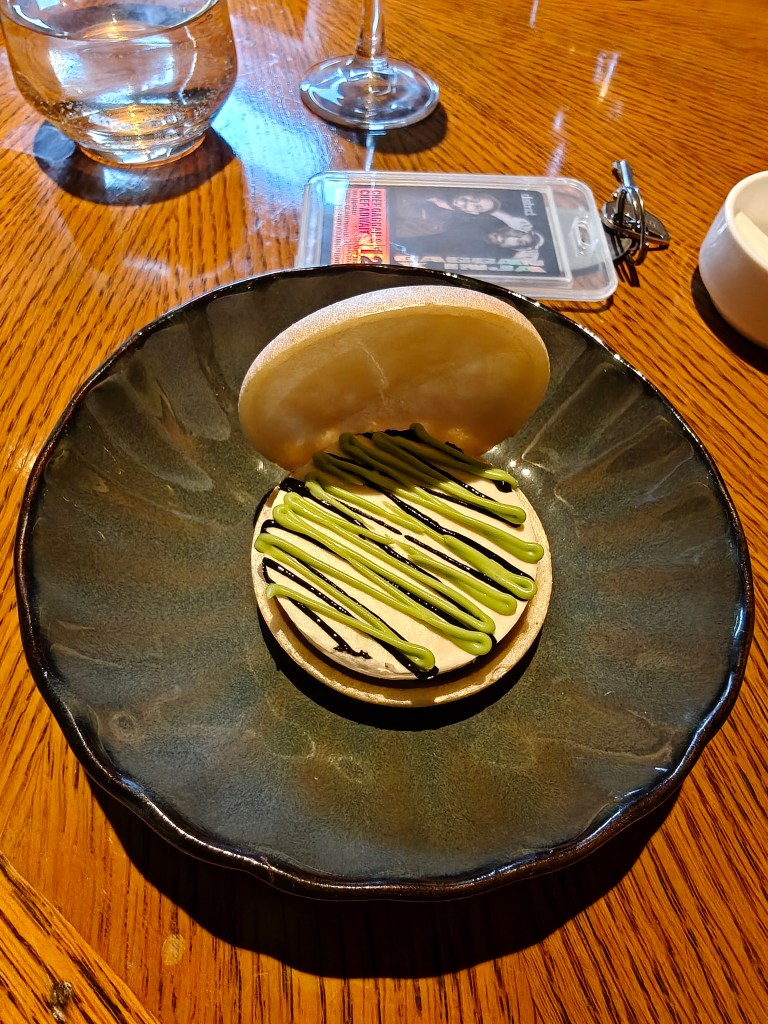
And like every meal that ends on a sweet note, this one did too. Between the mochi and the monaka, I personally liked the mochi  and the finish was truly Gaggan style: “lick it up,” and we all did!

Monaka
Gulkand Mochi
Lick It Up!
Food bonds hearts ❣️
Unknown's avatar

What happens when you have fire in your belly???

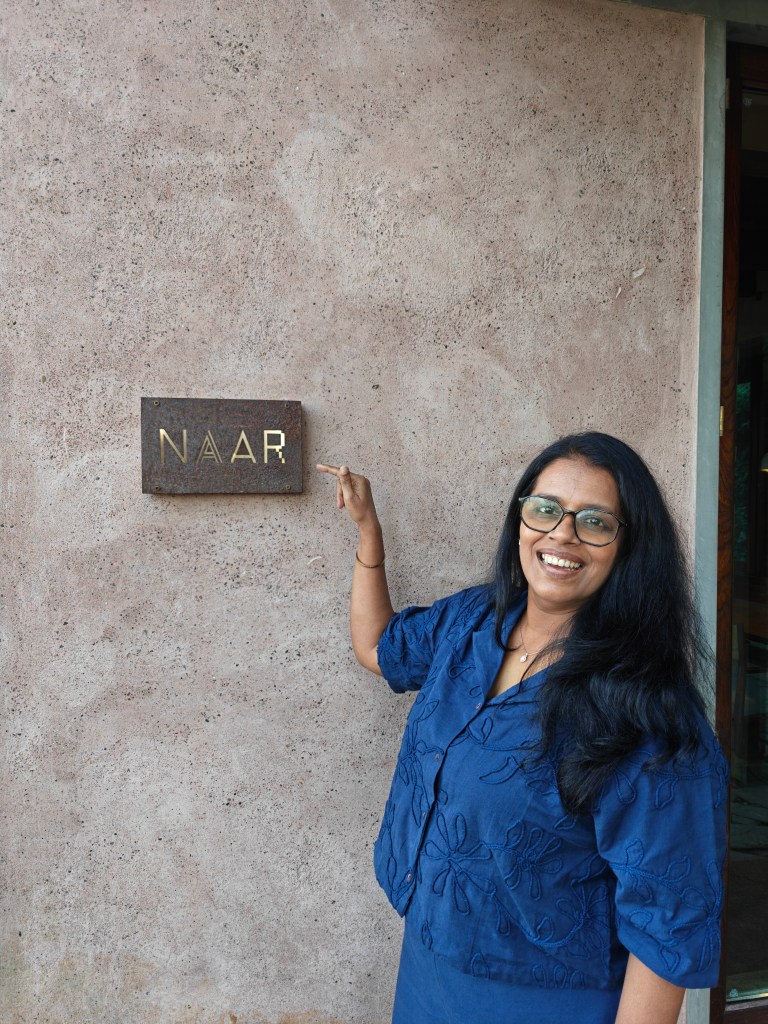
Naar( fire) is created!!!

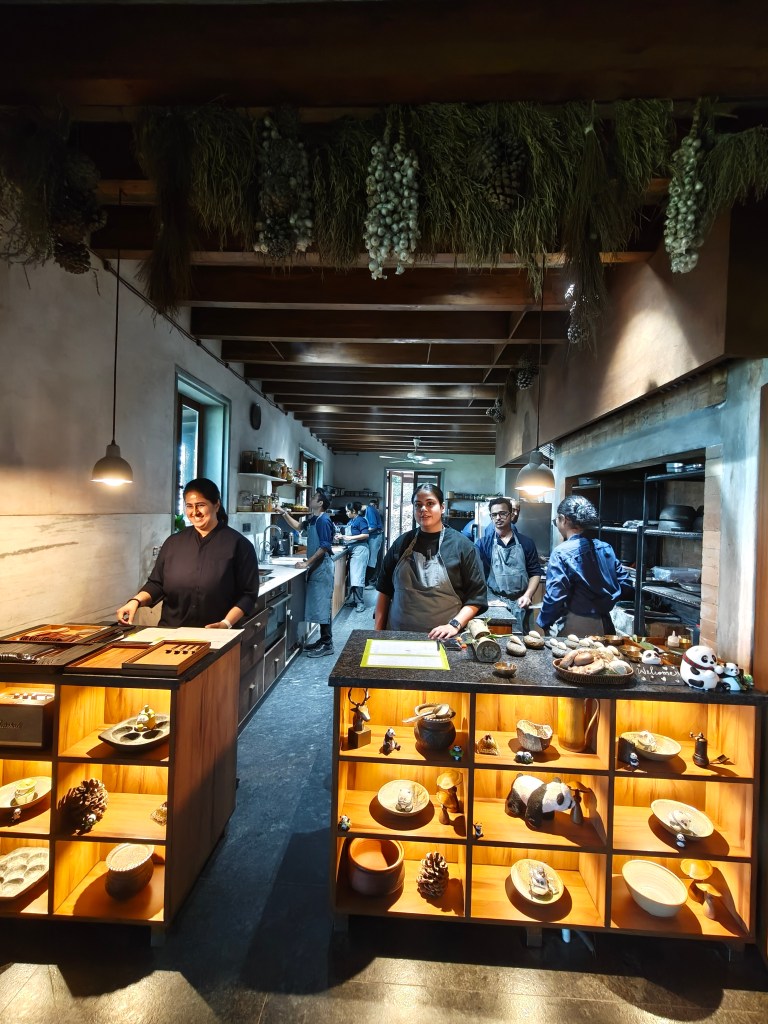
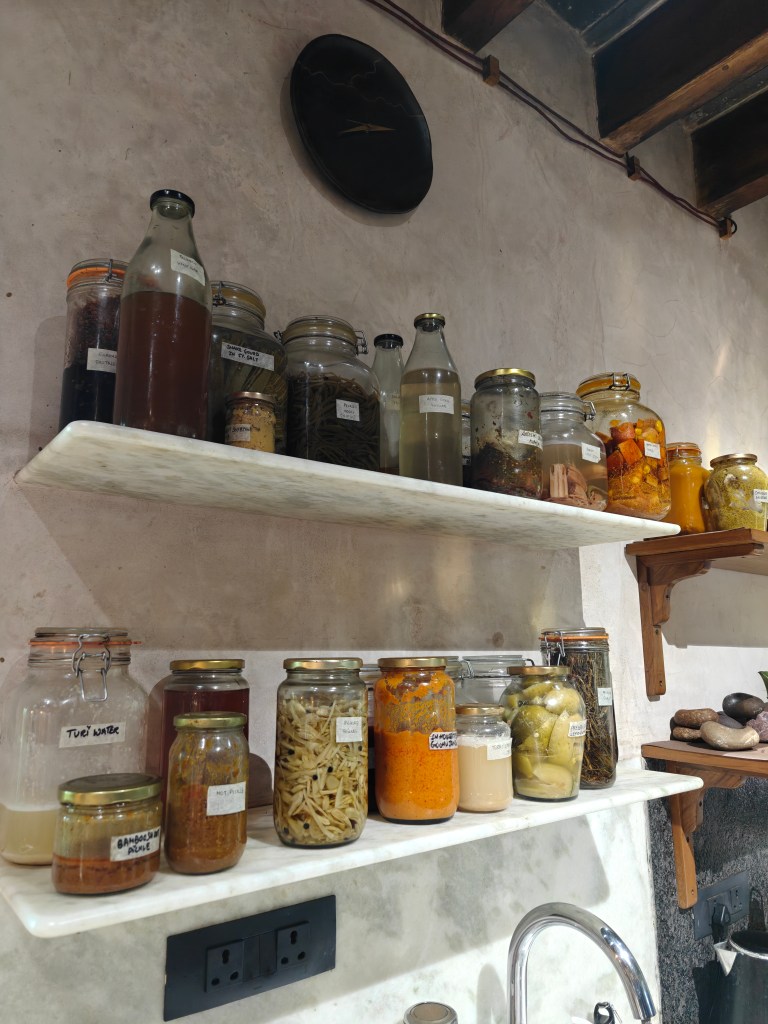
When I saw jars of ingredients brined and preserved with handwritten labels, I was convinced that I was at a place that uses ingredients available in and around their ecosystem to feed their guests.

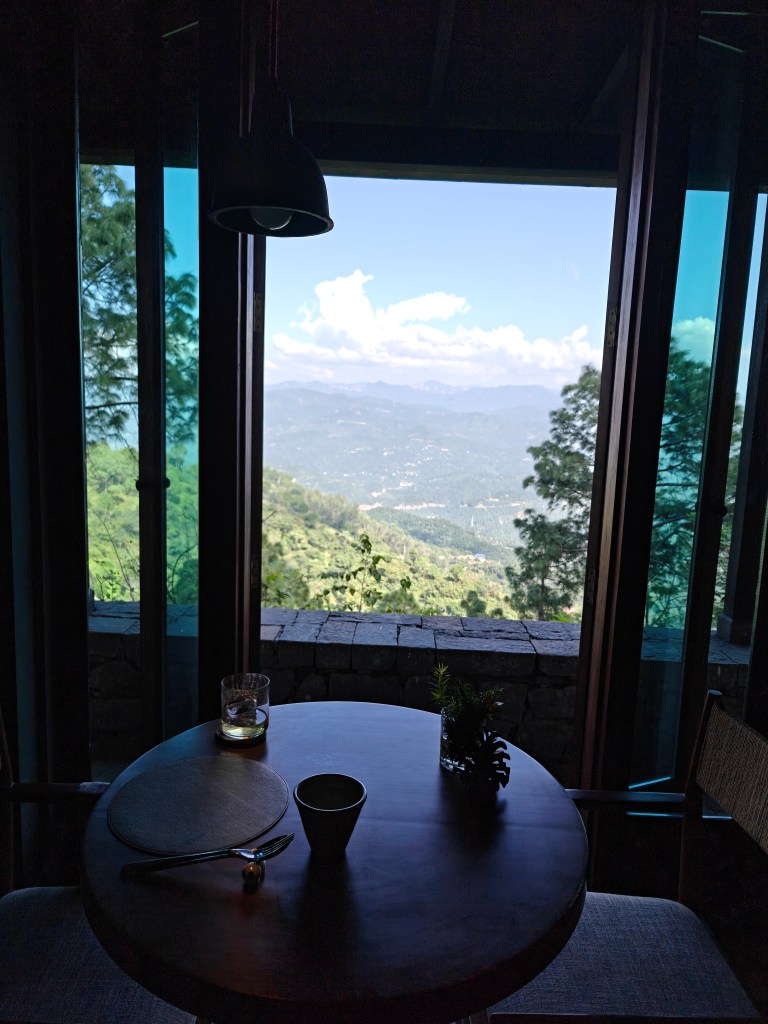
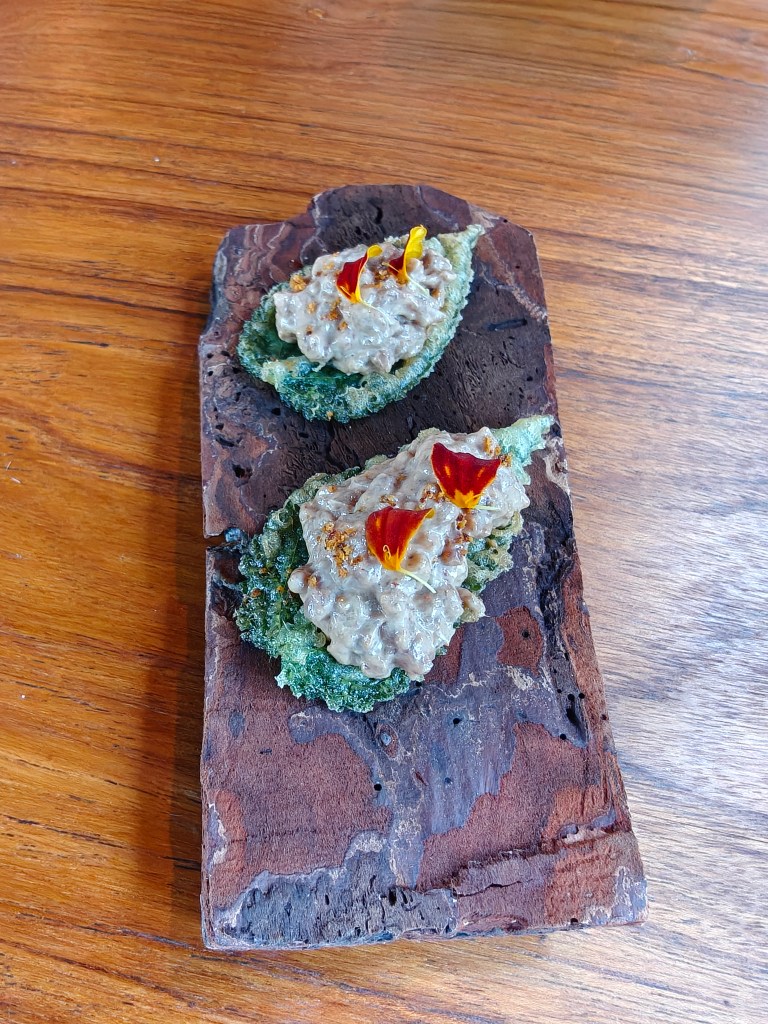
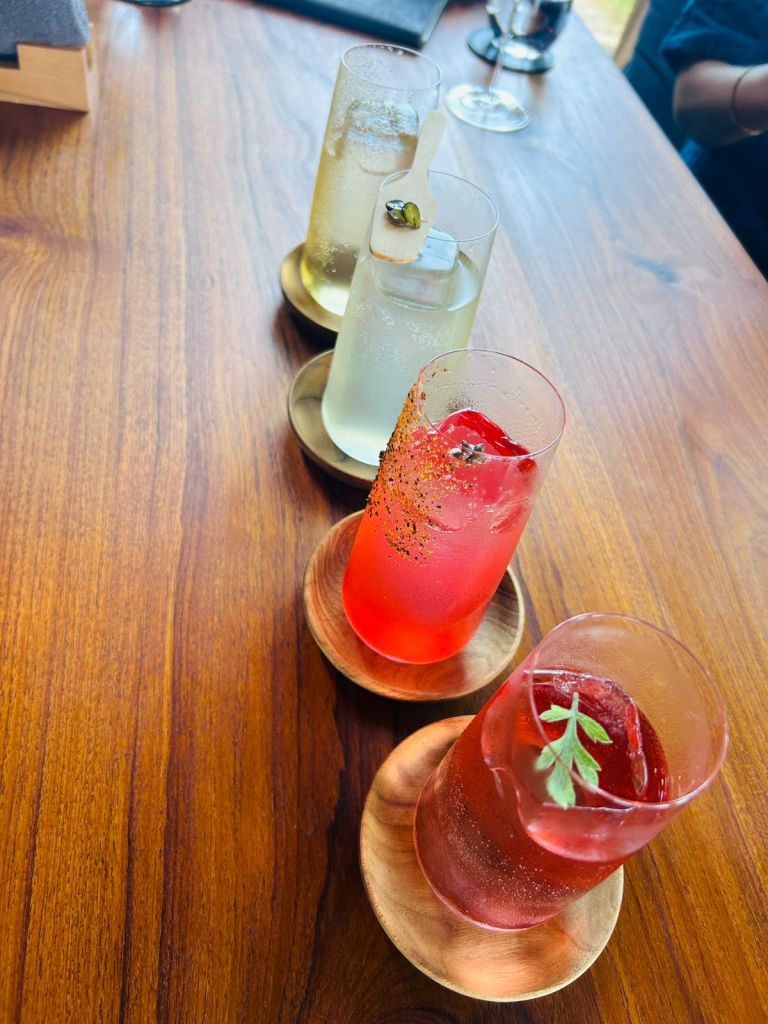
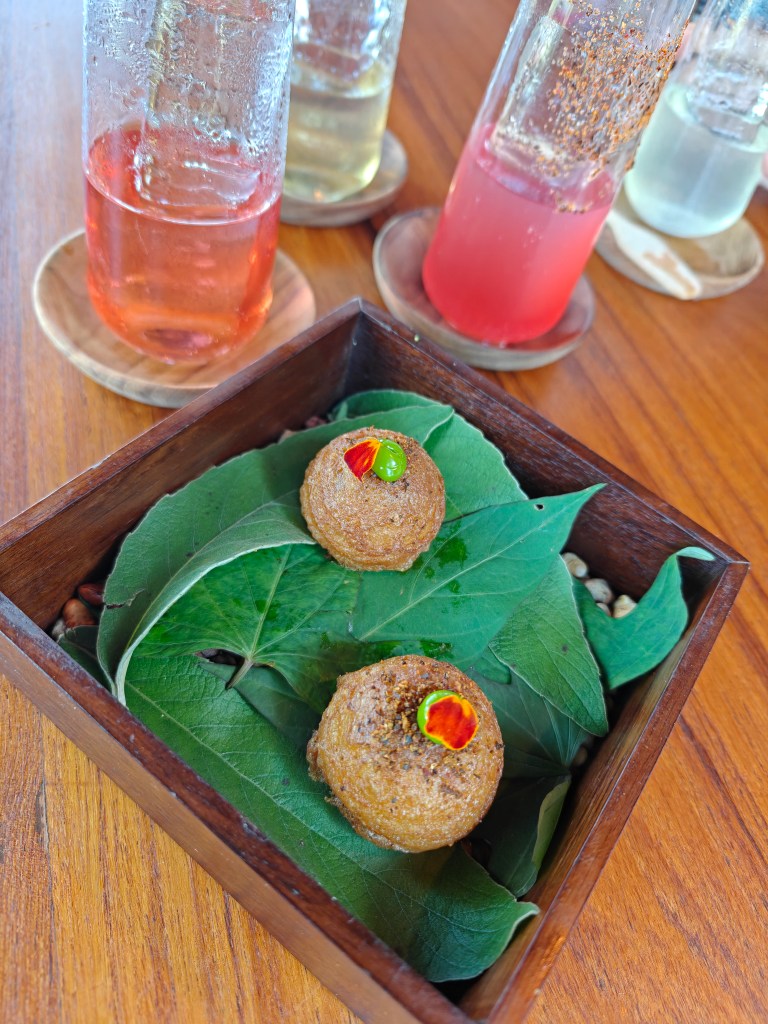
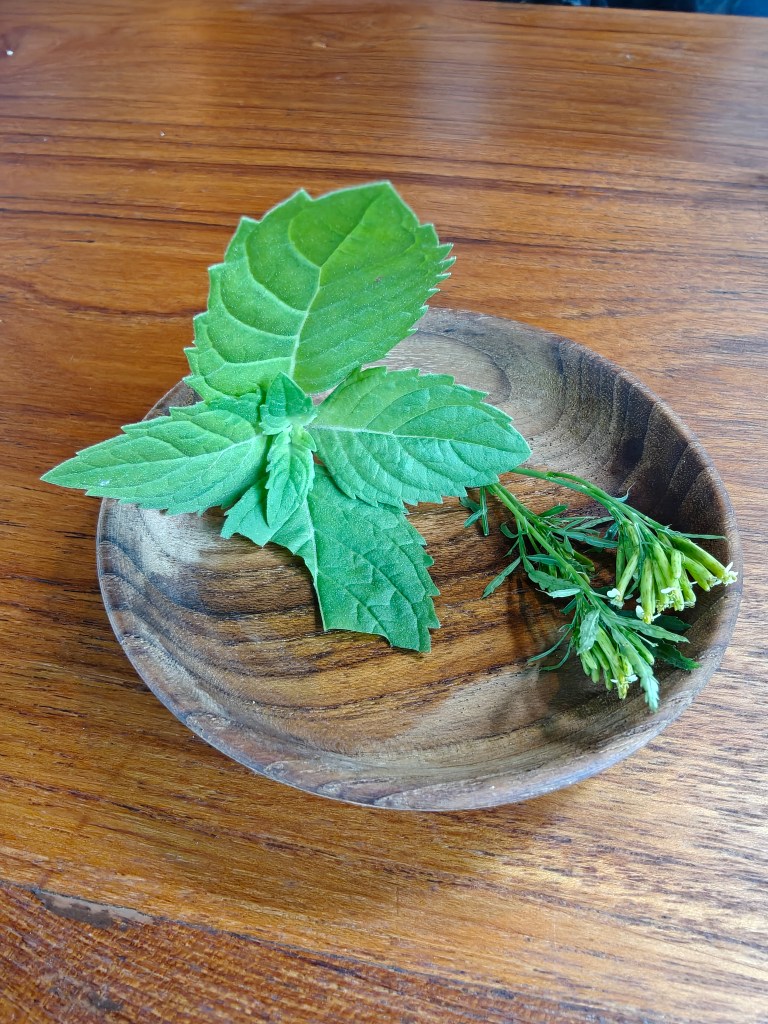
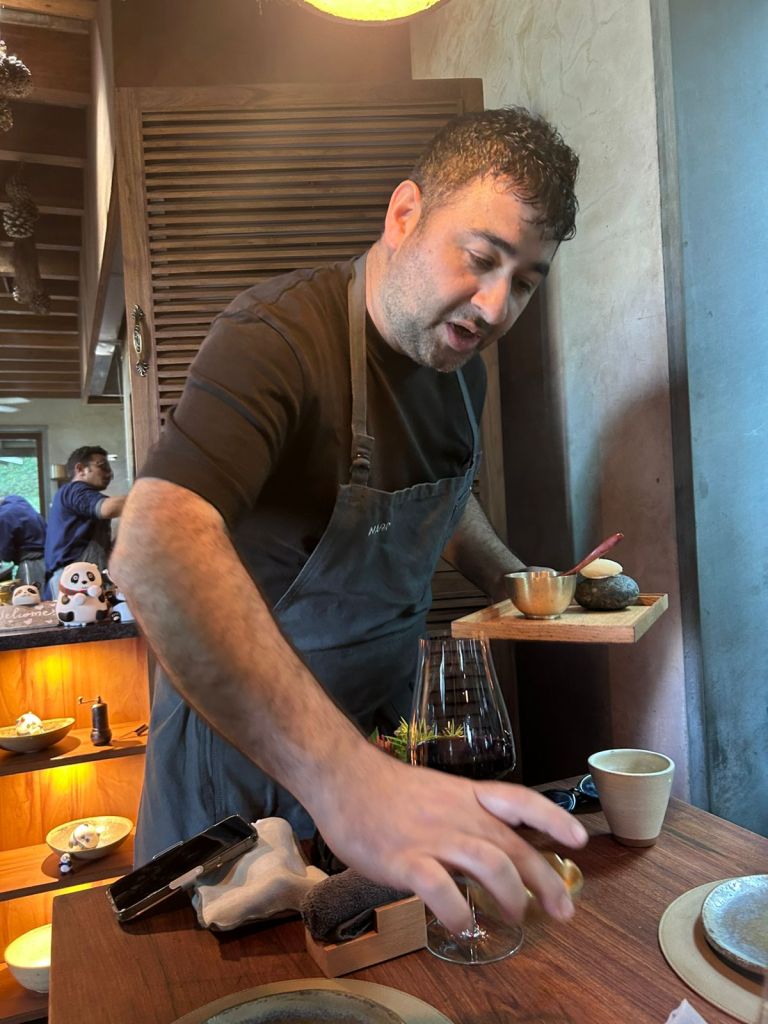
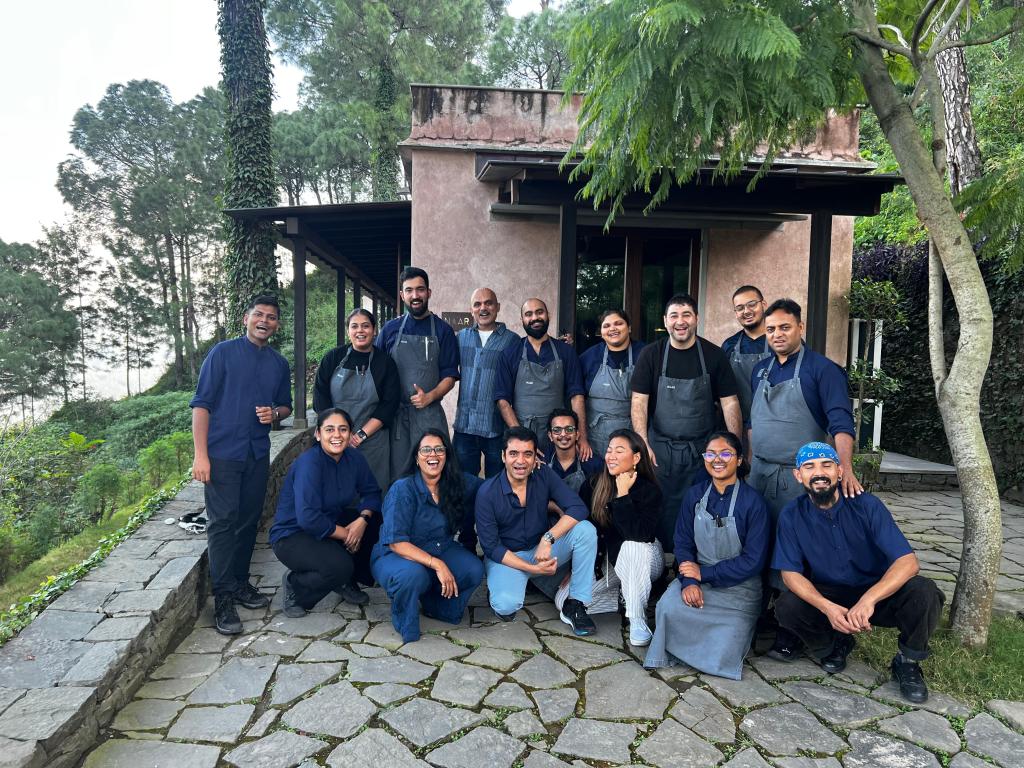
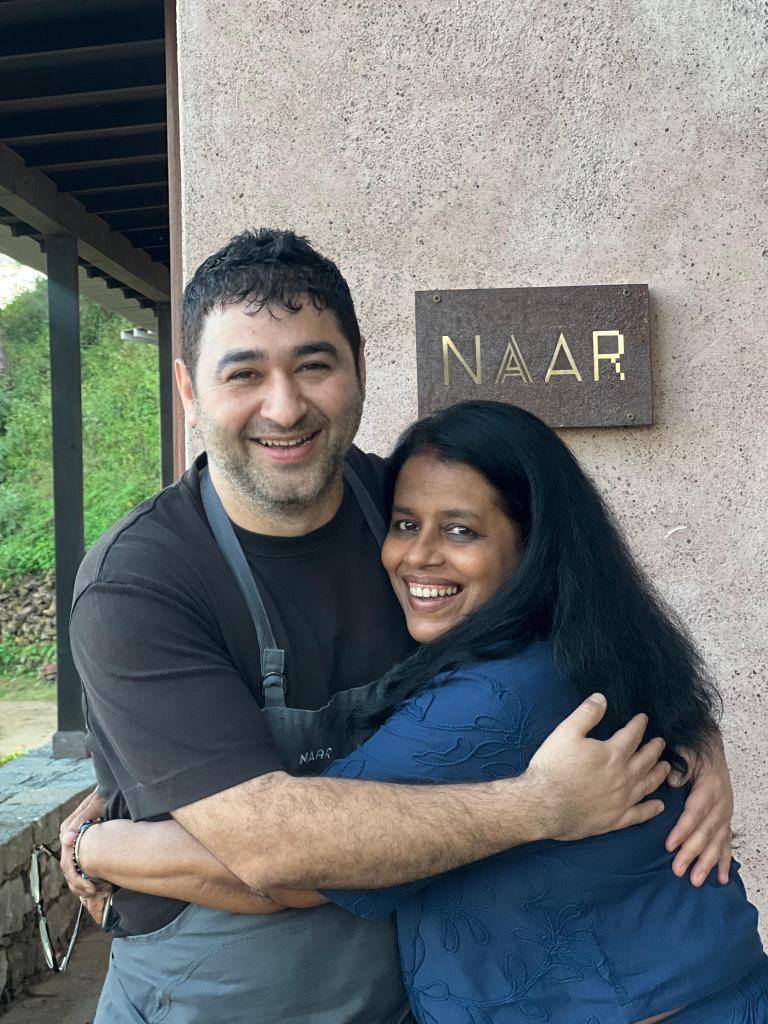
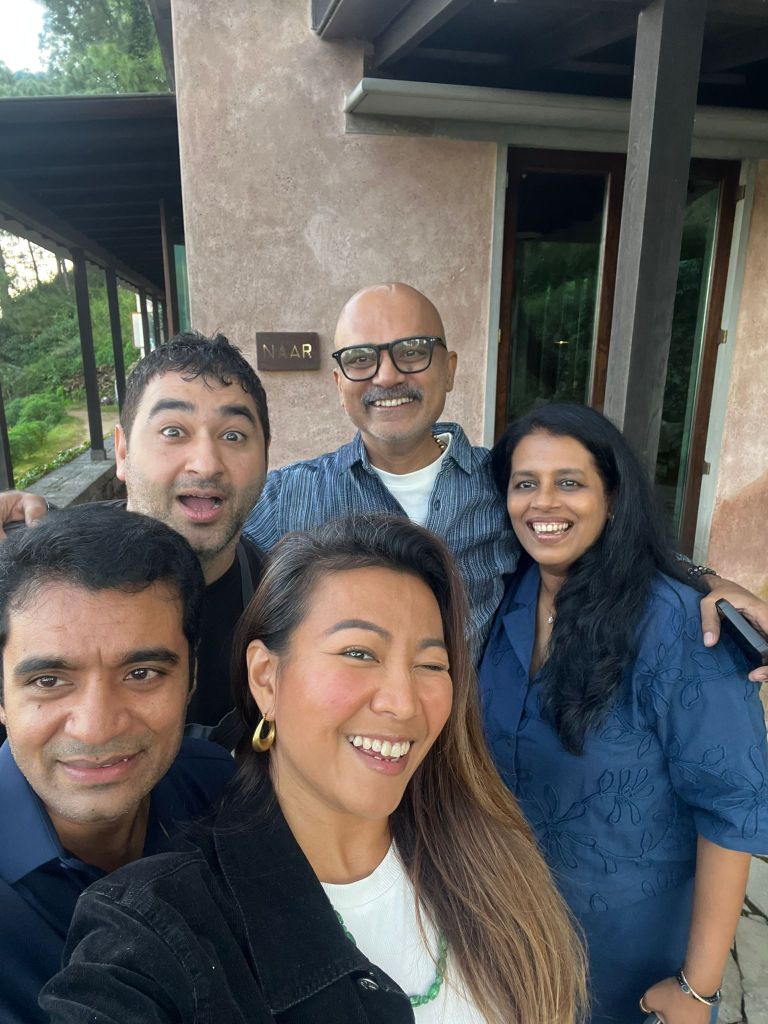
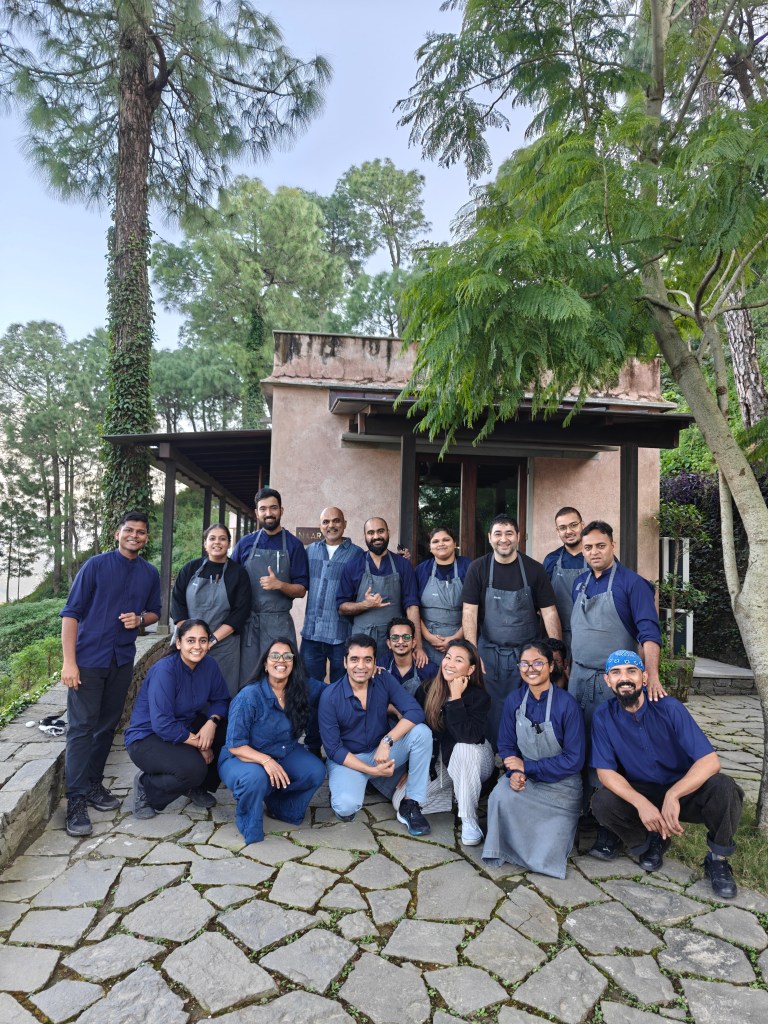
Naar, a restaurant on the hills that creates dishes using Himalayan ingredients, is a game changer in the restaurant space. Be it a cocktail or a bar bite at the living room or the meal at the dining space, they all have that special ingredient that has a story,  a story about where the ingredients were sourced, what the significance of that ingredient is and how it was used. Quite a few ingredients on our plate and in our glass were sourced from a nearby place and how do I know it? Because every time the curious me asked Chef Kamlesh, “What is this leaf?” he would tell me about the leaf and point his finger to the greenery around the restaurant and tell me it came from there, he even walked there and got it for us.

The menu at Naar changes according to the season because some ingredients are seasonal, and when the food is focused on ingredients, it has to be seasonal.

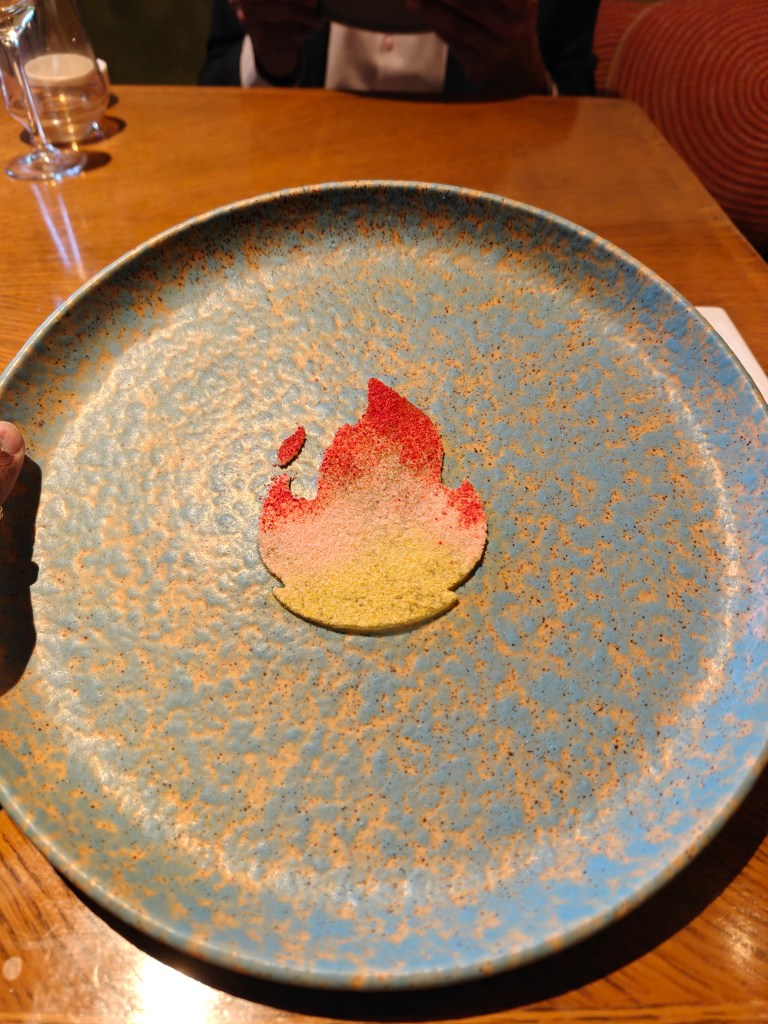
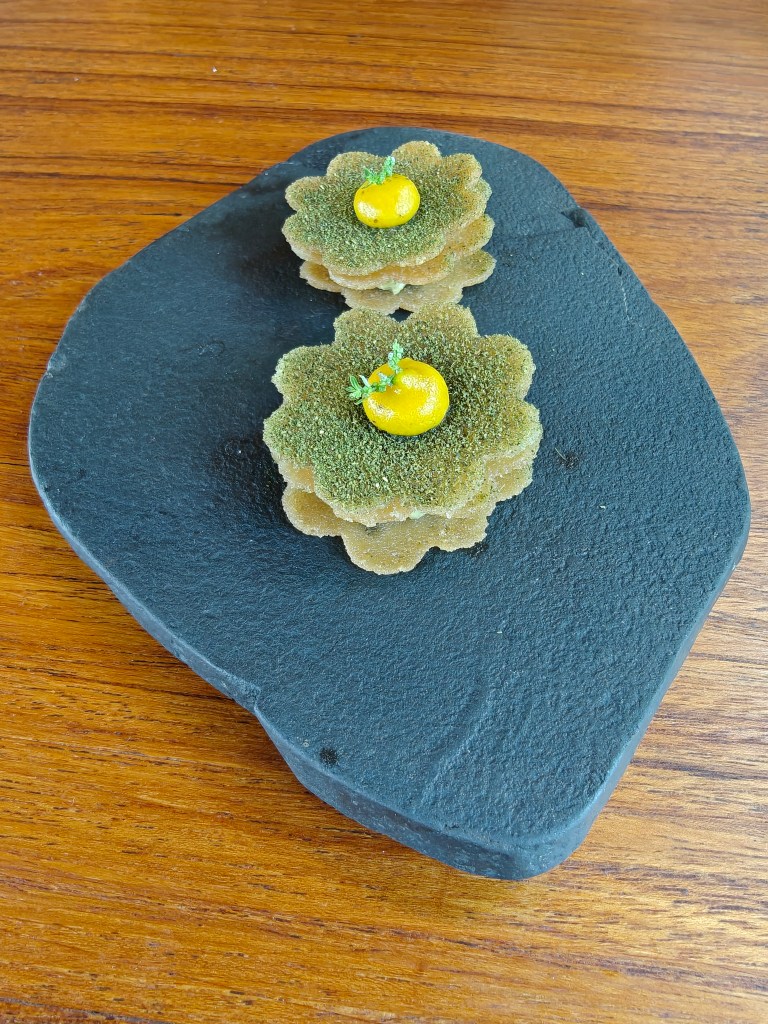
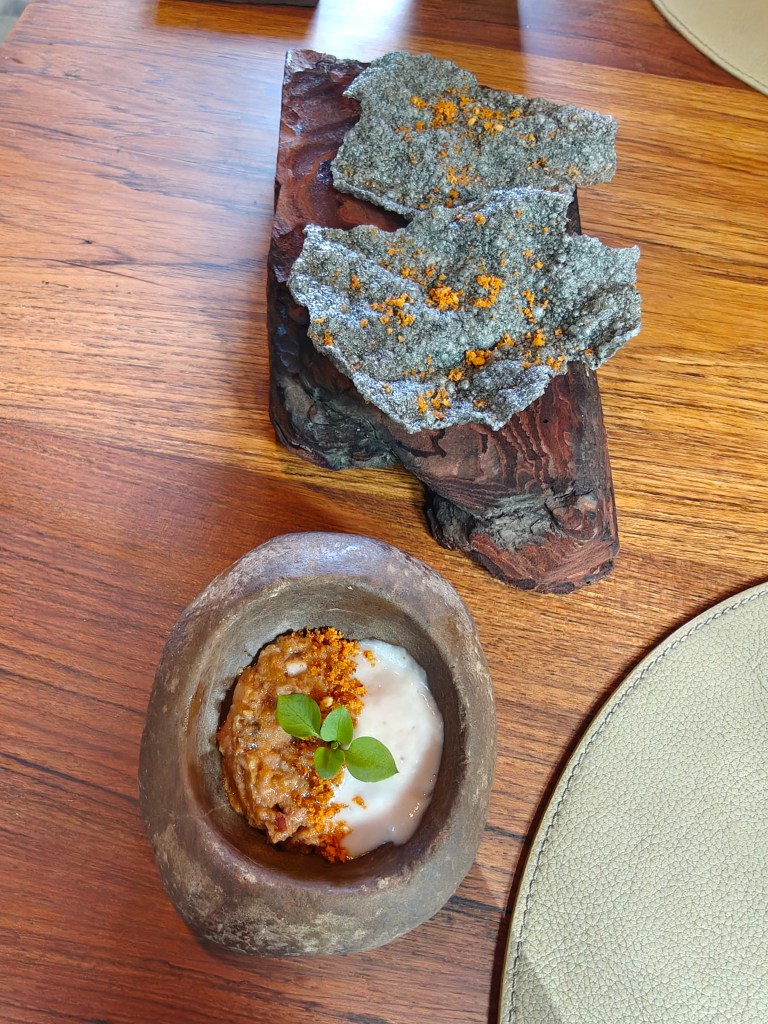
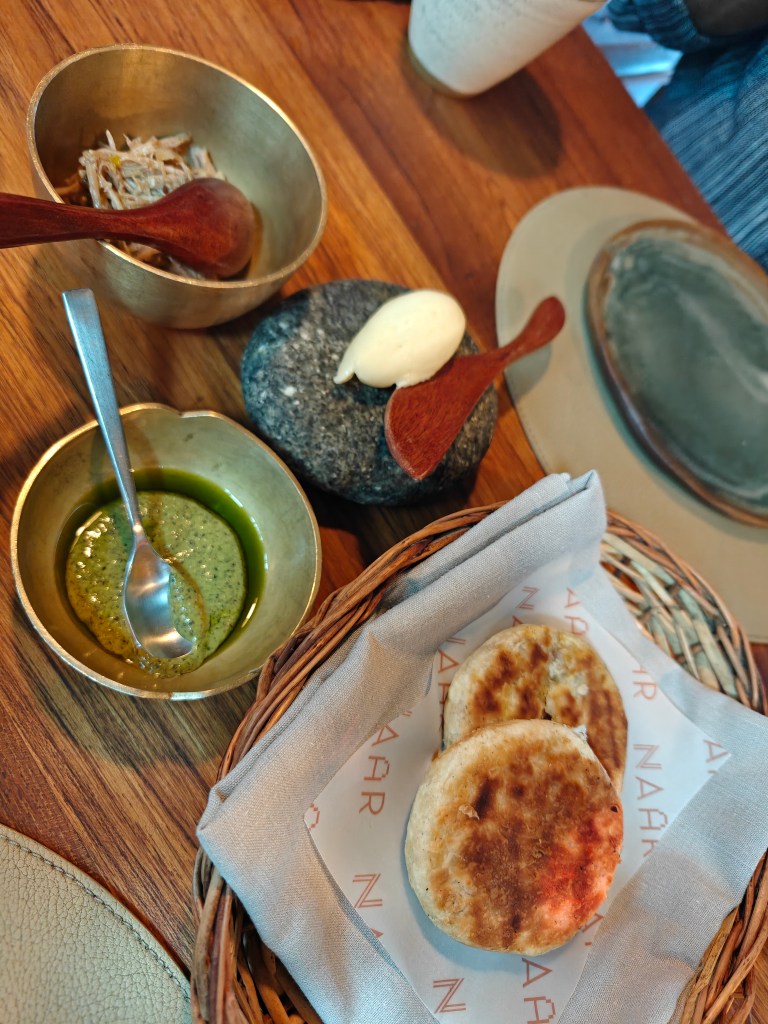
I am an advocate of eating local and what I was thinking is the fact that we buy expensive caviar when we have a beautiful variety available in our own country. One of the dishes we had at Naar was trout roe/eggs/caviar served on banana custard with a dash of banana honey. This was my most favourite dish, and Naar is at the trout belt of India, they have made the best of this ingredient. While the fish was used to make the dirty toast, the roe was used to blow my mind. The dirty toast had our very own sourdough bread,  the Ladakhi khambir bread made using bansi wheat.

Can we Indians use trout roe over caviar? I will leave this as food for thought for people in the industry.

Another highlight ingredient for me was the cactus. I remember seeing these cacti in Goa as a child who wandered through the then quiet parts of South Goa. I would have not thought in my wildest dreams that I would have a broth made of cactus. I know, I know,  Mexican’s use it extensively, but in India, I had it for the first time.

Every dish at Naar has a story about its ingredients and everyone at Naar narrates the story beautifully, because they know,  since they work with each ingredient with love and passion, with an intention of giving the best to their guests.

How would I like to rate my experience at Naar? Well, a few things that matter to me and the way I look at food and experience: first, of course, the ingredients, the way the ingredients are loved, nurtured and harvested (this is not easy according to me), since in the hills there is a new discovery every once in a while.

The way the menu is curated, keeping the ingredients as the hero, and how a guest feels about it, whether it’s a dish or a cocktail.

The place/location,  this one is an absolute winner and couldn’t get better. We started at the living room that served us drinks and little somethings made with love and cuteness.

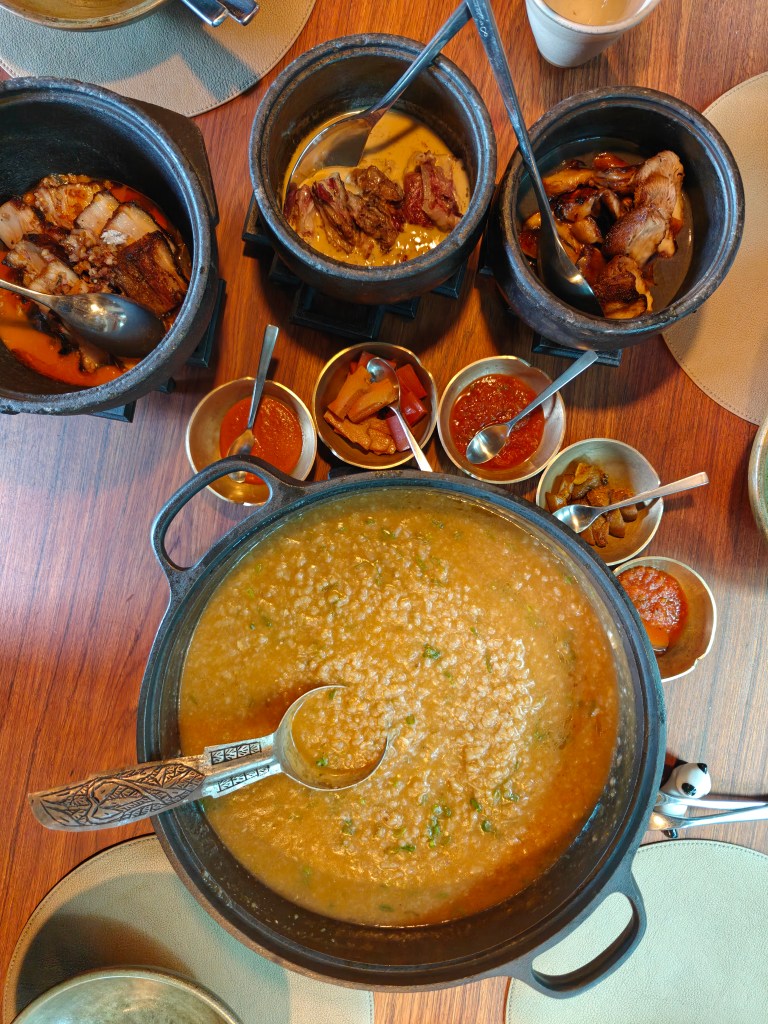
We moved to the dining room for our main course,  it felt like my maternal home where we would sit around the kitchen to have every meal.

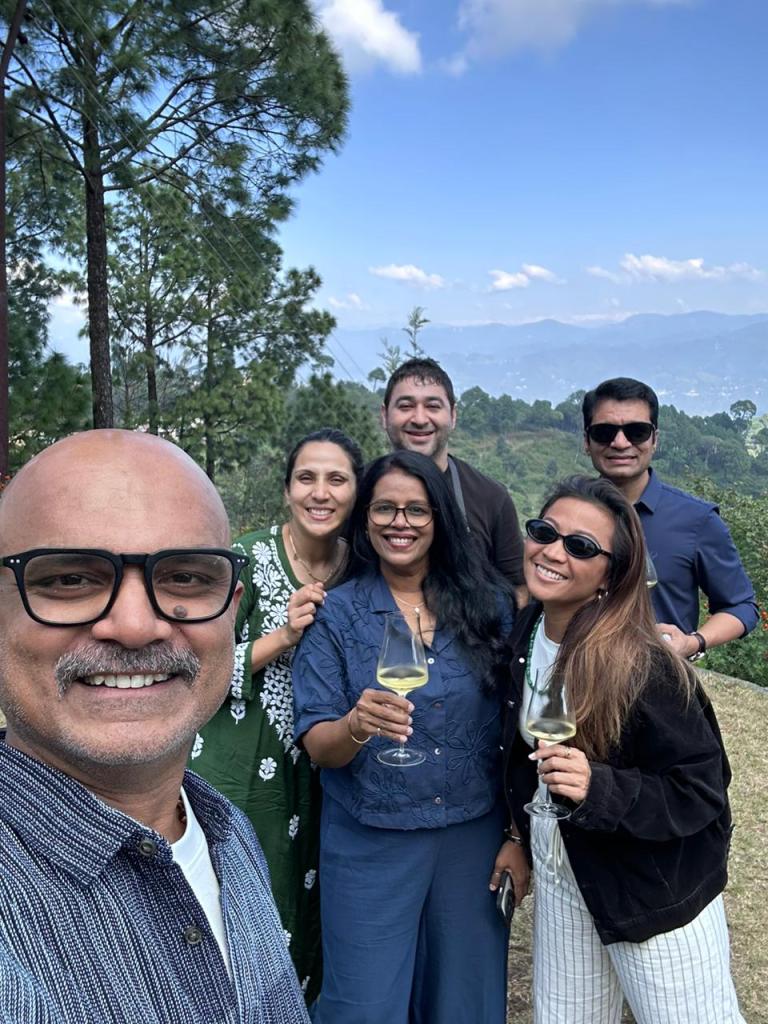
The most important part of the experience: whether you are at the living room, the dining room or the restroom, each one of them overlooks the mountains. We were lucky to have a glimpse of snow-capped mountains. Now this, for me, is a complete dining experience.

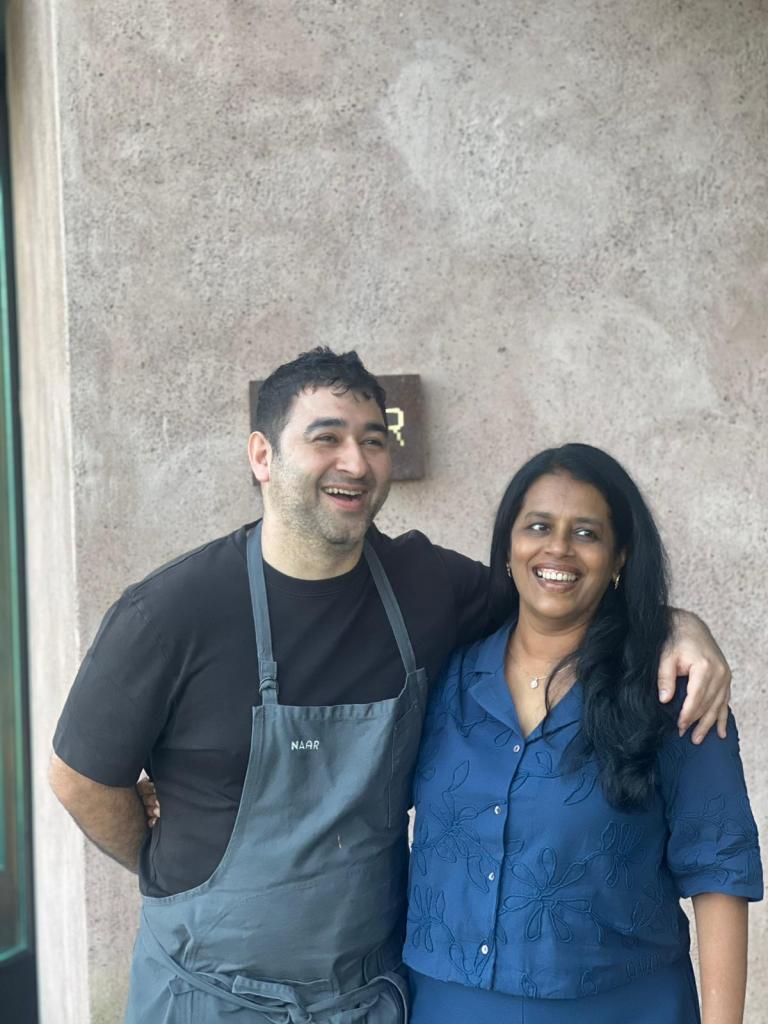
Chef Prateek definitely has Naar (fire) in his belly to have built something so beautiful and unique for everyone to enjoy.